Source aluminium direct flow car radiator for Cooling, Heating, and Condensing
Find and compare 21 aluminium direct flow car radiator options featuring tube-fin cores and water-cooled styles. Evaluate specifications like digital temperature sensors, sealed structures, and customized packing to select the right component for your machinery or automotive needs.
Key considerations
Products List


Comprehensive Sourcing Guide
Aluminium Direct Flow Car Radiator Sourcing Guide
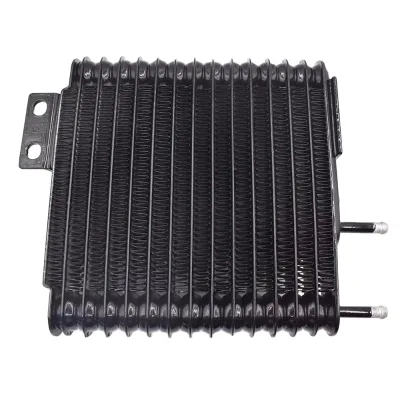
Sourcing an aluminium direct flow car radiator requires a precise understanding of the specific thermal management architecture and the fluid dynamics inherent to the component. The direct-flow design, often paired with tube-fin cores, is engineered to maximize heat transfer efficiency by allowing coolant to pass through the radiator in a single, unidirectional path rather than a serpentine route. This configuration is particularly advantageous for high-performance or heavy-duty applications where rapid heat dissipation is critical, as it minimizes pressure drop and ensures uniform cooling across the core. Buyers must verify that the observed "Direct-flow" attribute aligns with their vehicle's specific cooling circuit requirements, as this design choice significantly impacts the overall system pressure and pump sizing.
The material composition of the radiator is a primary determinant of its longevity and thermal performance, with aluminium being the industry standard for balancing weight reduction and corrosion resistance. The supplied data confirms that aluminium is the primary body and radiator material, a choice that offers superior thermal conductivity compared to copper-brass alternatives while maintaining a lighter profile for vehicle efficiency. However, the specific alloy and the quality of the brazing or welding processes used to join the tubes to the fins are not always explicitly detailed in standard listings. Procurement teams must therefore scrutinize the manufacturing process to ensure the aluminium construction meets the necessary structural integrity standards for the intended operating temperature and pressure ranges.
Product Scope and Observed Listing Signals
The market for aluminium direct flow radiators presents a diverse range of configurations, from standard automotive replacements to specialized industrial heat exchangers. Listings indicate that the core component is frequently categorized under "Auto Radiator" or "Evaporator," suggesting versatility in application across different vehicle types and cooling systems. The observed product scope includes variations in cooling fluid types, such as alcohol-based coolants or industrial water, which necessitates careful matching of the radiator's internal material compatibility to the specific fluid chemistry to prevent degradation. Buyers should note that while the core function remains consistent, the specific "Style" may vary between water-cooled and air-cooled systems, requiring a clear definition of the thermal exchange principle before placing an order.
Listing signals reveal significant variability in packaging and structural design, which can impact logistics and installation. Some units are described with a "Screw Type" structure, while others utilize a "Sealed Type" design, indicating different assembly methods and maintenance requirements. Packaging ranges from standard cardboard boxes to export-grade carton packing and wooden pallets, reflecting the varying needs of domestic versus international shipping. The presence of "Customized" standards and packing options suggests that many suppliers are prepared to tailor the physical dimensions and protective measures to the buyer's specific supply chain constraints, but this customization often requires explicit confirmation of the final specifications to avoid mismatches during delivery.
Technical Specifications to Verify
Verifying the technical specifications of the radiator core is essential to ensure compatibility with the vehicle's existing cooling system. The "Tube-fin" core type is a common configuration, but the specific fin design—whether wavy, serrated, or perforated—directly influences the surface area available for heat exchange and the airflow resistance. Buyers must confirm the exact fin type, such as Bw (Wavy-Fin) or Jc (Serrated-Fin), as these variations affect the radiator's ability to dissipate heat under different load conditions. Additionally, the "Principle" of operation, often described as a "Recuperative Heat Exchanger," should be validated against the specific thermal requirements of the application to ensure the unit can handle the expected heat load without overheating.
Electrical and mechanical integration points are equally critical when sourcing these components, particularly regarding the fan and sensor systems. The data indicates the availability of both single-speed and double-speed fans, as well as axial fan types, which must be matched to the radiator's airflow requirements and the vehicle's electrical system voltage, typically 380V/3p/50Hz for industrial applications. The "Water Temperature Sensor Type" is listed as digital, which implies a need for compatible electronic control units to accurately monitor and regulate engine temperature. Procurement teams must verify that the sensor interface and fan control logic are compatible with the vehicle's existing architecture to prevent communication errors or system failures.
Compliance and Safety Documentation
Certification status is a non-negotiable aspect of sourcing automotive radiators, as it validates the manufacturer's adherence to international quality and safety standards. The observed listings frequently cite ISO, CE, and CCC certifications, which are crucial for ensuring that the product meets the regulatory requirements of the target market. The "IATF" certification is also mentioned, indicating compliance with the automotive industry's specific quality management standards, which is particularly important for components intended for mass-market vehicle production. Buyers should request valid, up-to-date certification documents for each batch to confirm that the supplier maintains these standards consistently and that the specific model being purchased has been tested and approved under these frameworks.
Safety documentation must also cover the operational limits and material safety data sheets (MSDS) for the cooling fluids and construction materials. While the "Condition" is listed as "New," the "Cooling Fluid Brand" such as "Great Wall" suggests that the compatibility with specific fluid brands is a key consideration. The "Noise Level" is noted as "Low," which is a critical specification for passenger comfort and regulatory compliance in urban environments. Procurement teams should verify that the supplier provides documentation confirming the noise levels and the chemical safety of the cooling fluids used, ensuring that the radiator does not introduce hazardous emissions or excessive noise into the operating environment.
Cost Drivers and Commercial Terms
The cost of an aluminium direct flow car radiator is influenced by several factors, including the complexity of the design, the quality of the aluminium alloy, and the level of customization required. The observed price range of 1 to 2000 USD reflects the vast difference between standard off-the-shelf units and highly specialized, custom-engineered components. The "Customized" standard and "Customized" shipping options indicate that bespoke solutions will command a premium price, as they require additional engineering time and specialized production runs. Buyers should be prepared for a tiered pricing structure where the base cost covers the raw material and standard manufacturing, while additional fees apply for specific fin designs, sensor integrations, or unique packaging requirements.
Commercial terms such as Minimum Order Quantity (MOQ) and lead times are significant variables that affect the total cost of ownership. The observed MOQ range of 1 to 100 units suggests that suppliers are flexible, catering to both small-scale prototyping and larger production runs. However, the "Sample" acceptance policy indicates that buyers can test the product before committing to a larger order, which is a valuable risk mitigation strategy. Lead times are not explicitly defined in the provided data but are likely influenced by the "Customized" nature of the order and the "Shipping" method selected. Buyers should negotiate clear delivery schedules and penalty clauses for delays, especially when the radiator is a critical component for a production line.
Supplier Qualification and Quality Control
Supplier qualification extends beyond basic certification to include an assessment of their manufacturing capabilities and quality control processes. The "Professional Design Team" attribute suggests that the supplier has in-house engineering resources capable of customizing the radiator to specific client needs, which is a strong indicator of technical competence. However, buyers must verify the actual experience of this team and their track record in delivering similar projects. The "Weilding" (welding) quality is described as "Good Quality," but this subjective claim should be backed by objective quality control data, such as leak test results or pressure test reports, to ensure the structural integrity of the aluminium joints.
Quality control protocols should be rigorously defined to ensure that every unit meets the specified performance criteria. The "Powder Coating" options, including black, silver, or custom colors, are not merely aesthetic but can affect the corrosion resistance and durability of the radiator. Buyers should request a detailed quality control plan that outlines the inspection points for the "Body Material," "Radiator Core Type," and "Fins" to ensure consistency across the production batch. Additionally, the "System Type," whether "Combined" or "Closed System," must be verified during the final inspection to confirm that the radiator functions correctly within the intended cooling architecture.
Long-Term Procurement Checks
Establishing a long-term procurement relationship requires a focus on supply chain resilience and continuous performance monitoring. The "Application Fields" listed as "Machinery" and "Condenser, Vaporizer, Cooler, Heater" indicate that the radiator is a versatile component, but its long-term reliability depends on consistent performance under varying operational conditions. Buyers should implement a system for tracking the performance of the radiators in the field, monitoring for issues such as leaks, corrosion, or reduced cooling efficiency over time. This data will be essential for identifying potential quality issues early and holding the supplier accountable for any deviations from the agreed-upon specifications.
Future-proofing the procurement strategy involves maintaining open communication with the supplier regarding technological advancements and material innovations. The "Cooling Capacity" of 60kw and the "Voltage" specifications are current data points, but as vehicle and machinery technologies evolve, the requirements for cooling systems may change. Buyers should engage with the supplier to understand their roadmap for product development and their ability to adapt to new standards or regulations. By fostering a collaborative relationship, buyers can ensure that their supply of aluminium direct flow radiators remains aligned with the evolving needs of their production lines and the broader market.
FAQs
What is the core structure of an aluminium direct flow radiator?
The core structure is a tube-fin design with a direct-flow configuration. This setup ensures efficient coolant circulation through the radiator body. The construction typically utilizes aluminium for the body material to optimize weight and thermal conductivity. This design supports effective heat dissipation in automotive applications.
Can the radiator be customized for specific vehicle models?
Yes, customization is available for specific requirements. The product standard is customized to meet particular needs. Buyers can request professional design team support for tailored solutions. This flexibility allows for adaptation to various automotive systems and cooling requirements beyond standard configurations.
What certifications are typically associated with these radiators?
Common certifications include ISO, CE, and CCC standards. These certifications ensure compliance with international quality and safety regulations. The presence of these marks indicates adherence to rigorous manufacturing processes. Buyers should verify specific certification documents for their target markets to ensure regulatory compliance.
How is the product packed for international shipping?
Packaging options include cardboard boxes, wooden pallets, and export carton packing. These methods protect the radiator during transit and handling. The choice of packaging depends on the order volume and shipping requirements. Proper packaging ensures the product arrives in new condition without damage to the aluminium body or fins.
What is the typical MOQ for ordering these radiators?
The observed MOQ range is between 1 and 100 units. This flexibility allows for both sample testing and bulk procurement. Buyers can start with a single unit to verify quality before placing larger orders. The low minimum order quantity facilitates easier entry for new sourcing relationships.
Which cooling fluid types are compatible with this radiator?
Compatible cooling fluids include alcohol and industrial water. The system is designed to handle these specific fluid types effectively. Some configurations may also support brands like Great Wall for specialized applications. Selecting the correct fluid ensures optimal heat exchange performance and system longevity.